46 Sports Industry:What is the 46 Sports Industry and why is it important?
Q: What is the 46 Sports Industry and why is it important?
A: The term "46 Sports Industry" typically refers to the sports sector in regions or contexts associated with the number 46, such as the 46th state (Oklahoma) or specific local sports economies, but more broadly it can represent a segment within the global sports industry. The sports industry encompasses a wide range of activities, including professional and amateur sports, sporting goods manufacturing, media broadcasting, event management, fitness, and sports tourism. It is important because it generates significant economic value, creates jobs, and promotes physical activity and community engagement. In many areas, the sports sector drives local economic development through stadium construction, tourism, and related services. Additionally, sports play a crucial role in cultural identity and social cohesion. Understanding the 46 Sports Industry helps stakeholders identify opportunities for investment, policy-making, and infrastructure development. As the industry continues to grow, trends such as digitalization, e-sports, and sustainable practices are shaping its future, making it essential for businesses and governments to stay informed and adapt.
Q: What are the key segments of the 46 Sports Industry?
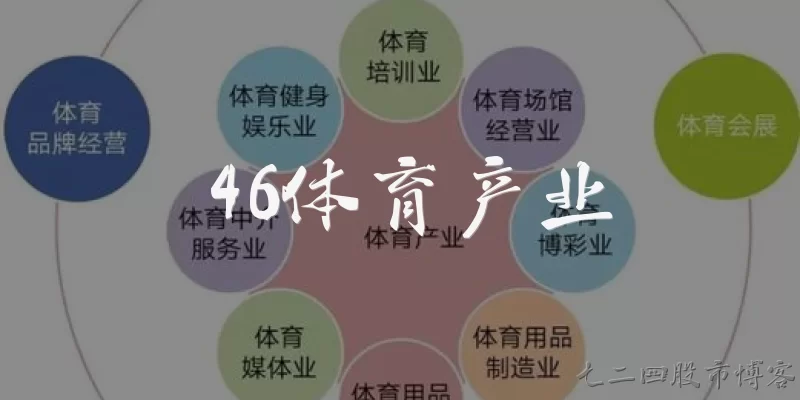
A: The 46 Sports Industry can be broken down into several key segments that collectively contribute to its economic and social impact. First, the professional sports segment includes teams, leagues, and events that generate revenue through ticketing, broadcasting rights, sponsorships, and merchandise. Second, the sporting goods and apparel segment involves manufacturing and retail of equipment, footwear, and clothing, which is a major global market. Third, sports media and entertainment cover broadcasting, streaming, and digital content, which have seen explosive growth with the rise of online platforms. Fourth, the fitness and recreation segment includes gyms, health clubs, and outdoor activities, driven by increasing health awareness. Fifth, sports tourism involves travel for sporting events or active vacations, contributing to local economies. Sixth, e-sports and digital sports are emerging segments with a young and engaged audience. Finally, supporting services such as event management, sports marketing, and facility construction round out the industry. Each segment offers unique opportunities and challenges, and understanding their interplay is crucial for stakeholders looking to capitalize on the growth of the 46 Sports Industry.
Q: How can businesses benefit from the 46 Sports Industry?
A: Businesses can benefit from the 46 Sports Industry in numerous ways by leveraging its growth and diversification. First, companies can tap into sponsorship and advertising opportunities by partnering with sports teams, events, or athletes, gaining brand exposure to passionate audiences. Second, the sporting goods and apparel market offers opportunities for product innovation and retail expansion, especially with the rise of athleisure and smart sportswear. Third, businesses can invest in sports technology, such as wearable devices, performance analytics, and fan engagement platforms, which are transforming how sports are played and consumed. Fourth, the media and broadcasting segment provides avenues for content creation and distribution, with streaming services and social media opening new revenue streams. Fifth, event management and hospitality businesses can capitalize on the demand for sports tourism and experiential entertainment. Sixth, fitness and wellness companies can attract health-conscious consumers through gyms, apps, and personalized training. Finally, businesses can engage in corporate social responsibility by supporting grassroots sports and community programs, enhancing their brand reputation. By understanding the dynamics of the 46 Sports Industry, companies can identify niche markets and build sustainable strategies for growth.
Words of experience
Common scenarios of "46 Sports Industry"
【Host】 Welcome back to The Sports Business Pulse. I'm your host, Maya Chen, and today we're diving into a fascinating topic: the '46 Sports Industry.' Joining me is Dr. Liam Foster, a sports economist and consultant. Liam, welcome.
【Dr. Liam Foster】 Thanks, Maya. Great to be here. The '46 Sports Industry' is a term that's gaining traction, but it's not always well understood. I'm glad we can unpack it.
【Host】 Let's start with the basics. What exactly does '46 Sports Industry' refer to? Is it a specific sector, a geographic designation, or something else?
【Dr. Liam Foster】 It's primarily a conceptual framework. The '46' refers to the 46 counties or regions that make up a particular sports market cluster—often used in emerging markets where sports infrastructure is being developed across 46 distinct zones. It's a way to analyze regional sports economies holistically.
【Host】 So it's not a single industry but a network of regional sports economies. How does that differ from traditional sports industry models?
【Dr. Liam Foster】 Traditional models often focus on major leagues, global brands, and top-tier events. The '46' model emphasizes distributed growth—looking at how sports-related economic activity spreads across smaller regions. It's about grassroots infrastructure, local leagues, and community facilities, not just the big leagues.
【Host】 Interesting. Can you give an example of how this plays out in practice?
【Dr. Liam Foster】 Sure. Take a country that's investing in 46 regional sports hubs—each with a stadium, training facilities, and youth academies. The economic impact isn't just ticket sales; it's job creation, tourism, real estate development, and even health savings from increased physical activity. The '46' approach measures that distributed value.
【Host】 That sounds like a more inclusive model. But isn't it harder to coordinate and measure than a centralized league system?
【Dr. Liam Foster】 Absolutely. Coordination is the biggest challenge. You need standardized governance, shared data systems, and clear funding formulas. But the payoff is resilience—if one region struggles, the others can support it. Centralized systems are more vulnerable to single points of failure.
【Host】 Let's talk about funding. Who pays for these 46 regional hubs? Governments, private investors, or a mix?
【Dr. Liam Foster】 Typically a mix. Public funding covers basic infrastructure—fields, roads, utilities. Private investment comes in for commercial facilities, sponsorships, and team ownership. The '46' model often uses public-private partnerships with revenue-sharing agreements to align incentives.
【Host】 Are there any real-world examples where this 46-region approach has been implemented successfully?
【Dr. Liam Foster】 Yes, though it's often under different names. Some national sports development plans in Europe and Asia use a similar regional cluster approach—like Germany's sports facility network or Japan's community sports hubs. The '46' label is more of an analytical lens than a formal program.
【Host】 What about fan engagement? In a distributed model, how do you build loyalty across 46 regions without a single national team or league to rally behind?
【Dr. Liam Foster】 That's a great question. You build local rivalries and regional championships that feed into a national playoff system. Fans connect first with their local team, then with the broader network. Think of it like college sports in the U.S.—conferences create intense local followings that culminate in national tournaments.
【Host】 Shifting to technology, how does digital infrastructure enable the 46 Sports Industry?
【Dr. Liam Foster】 Digital is critical. Streaming platforms let fans watch regional games anywhere. Data analytics help optimize facility usage and player development. And mobile apps connect communities across the 46 regions, sharing schedules, tickets, and content. Without digital, the model would be fragmented and inefficient.
【Host】 What about sponsorship and media rights? Are they sold regionally or nationally?
【Dr. Liam Foster】 Both. You can have regional sponsors—local banks, retailers—that get targeted exposure. And national sponsors that want access to the whole network. Media rights can be bundled: a national broadcaster gets all 46 regions, or you sell rights region by region. It's flexible and often more lucrative than a single national deal.
【Host】 Let's discuss challenges. What are the biggest hurdles to scaling the 46 Sports Industry model?
【Dr. Liam Foster】 Three big ones: governance fragmentation, unequal regional resources, and talent drain. Strong regions attract top players and coaches, weakening weaker regions. You need salary caps, revenue sharing, and development programs to keep competitive balance.
【Host】 How do you measure success in this model? What KPIs matter most?
【Dr. Liam Foster】 Beyond revenue, you look at participation rates, facility utilization, regional employment, and competitive balance. A healthy '46' system has all regions contributing, not just the top five. You also track fan engagement across regions—ticket sales, viewership, and social media activity.
【Host】 What role do grassroots and youth sports play in the 46 Sports Industry?
【Dr. Liam Foster】 They're the foundation. Without strong youth programs, you don't have a talent pipeline or future fan base. The '46' model prioritizes youth academies in each region, ensuring that every community has access to coaching, facilities, and competition. It's about long-term sustainability, not just short-term profit.
【Host】 Let's talk about the fan experience. How does attending a game in one of these 46 regions differ from a big-city stadium?
【Dr. Liam Foster】 It's more intimate and community-focused. Smaller stadiums, local food vendors, and a sense of ownership. Fans know the players' names and stories. It's less about spectacle and more about belonging. That's a key differentiator—and a selling point for sponsors who want authentic engagement.
【Host】 What advice would you give to a city or region considering joining a 46 Sports Industry network?
【Dr. Liam Foster】 Do your homework. Assess existing infrastructure, fan base, and funding capacity. Start with one or two sports, not everything at once. Build partnerships with neighboring regions to share costs. And be patient—the payoff takes years, not months. But if done right, it creates lasting economic and social value.
【Host】 Liam, this has been incredibly insightful. Any final thoughts on where the 46 Sports Industry is headed?
【Dr. Liam Foster】 I think it's the future of sports development in many regions. As major leagues become saturated, the growth opportunity lies in distributed, community-based models. The '46' framework gives us a way to think about that systematically. It's not a silver bullet, but it's a powerful tool for inclusive growth.
【Host】 Thank you, Dr. Liam Foster, for breaking down the 46 Sports Industry. And thank you to our listeners. Join us next time on The Sports Business Pulse.