
Trust Custody Registration:What is Trust Custody Registration and what is its main purpose?
Q: What is Trust Custody Registration and what is its main purpose?
A: Trust Custody Registration is a legal and administrative process in which a trust's assets are formally recorded and placed under the custody of a trustee or a custodian institution. Its main purpose is to ensure clear legal ownership, protect beneficiaries' interests, and provide transparent asset tracking. By registering the trust and its custody arrangements, authorities can verify compliance with fiduciary duties, anti-money laundering rules, and tax obligations. This registration also helps prevent fraud, unauthorized transfers, and disputes by creating an official record of who controls the assets and under what terms.
Q: Who typically needs to complete Trust Custody Registration, and when is it required?
A: Trust Custody Registration is typically required for trustees, custodians, and financial institutions managing trust assets such as securities, real estate, or cash. It is often mandated when a trust is created, when assets are transferred into custody, or when there is a change in trustee or custodian. Jurisdictions with strict financial regulations may require registration before any trust account becomes active. Additionally, cross-border trusts, charitable trusts, and those involving vulnerable beneficiaries usually face mandatory registration. Timing varies, but most rules require registration within a set period after the trust's establishment or asset transfer.
Q: What are the key steps involved in Trust Custody Registration?
A: The key steps in Trust Custody Registration include: first, preparing the trust deed and identifying all assets to be held in custody. Second, appointing a qualified trustee or custodian and obtaining their consent. Third, submitting registration documents to the relevant authority, such as a financial regulator or land registry. Fourth, paying any applicable fees and undergoing due diligence checks. Fifth, receiving a registration certificate or confirmation. Finally, maintaining ongoing records and updating the registration for any changes in assets, trustees, or beneficiaries. Each step ensures legal compliance and asset protection throughout the trust's lifecycle.
Q: What are the consequences of failing to register a trust custody arrangement?
A: Failing to register a trust custody arrangement can lead to serious legal and financial consequences. The trust may be deemed invalid or unenforceable, leaving assets vulnerable to claims from creditors or unauthorized parties. Trustees could face fines, penalties, or personal liability for breach of fiduciary duty. Beneficiaries may lose legal protection and face delays in accessing assets. In some jurisdictions, unregistered trusts are subject to higher tax rates or reporting requirements. Additionally, financial institutions may refuse to open accounts or process transactions without proof of registration, making it difficult to manage trust assets effectively.
Q: How does Trust Custody Registration differ from general trust registration?
A: Trust Custody Registration focuses specifically on the custody and safekeeping of trust assets, whereas general trust registration covers the existence, terms, and beneficiaries of the trust itself. General registration is often for tax or legal recognition, while custody registration adds a layer of asset control and verification by a custodian. Custody registration requires detailed asset inventories, custody agreements, and regular reconciliation. It also involves different regulatory bodies, such as securities depositories or banking regulators, rather than just tax authorities. In short, general registration establishes the trust legally, while custody registration ensures the assets are properly held and managed.
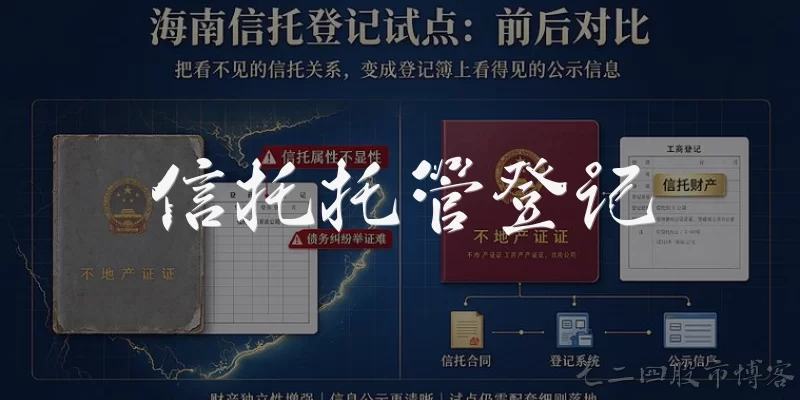
Words of experience
Common scenarios of "Trust Custody Registration"
【Client】 你好,我想咨询一下信托财产登记的事情。我最近设立了一个家族信托,但听说还需要办理信托财产登记,否则可能无效?
【Lawyer】 您好!是的,根据《信托法》第十条,设立信托,对于信托财产,有关法律、行政法规规定应当办理登记手续的,应当依法办理信托登记。未办理信托登记的,应当补办登记手续;不补办的,该信托不产生效力。所以,如果您的信托财产是需要登记的财产,比如不动产、股权等,就必须办理信托登记。
【Client】 那具体哪些财产需要办理信托登记呢?我的信托财产包括现金、房产和一家公司的股权。
【Lawyer】 现金一般不需要登记,但房产和股权通常需要。对于房产,需要到不动产登记机构办理信托登记;对于股权,如果公司是有限责任公司,需要在市场监督管理部门办理股权变更登记并注明信托持股。具体操作各地可能略有不同。
【Client】 办理信托登记有什么好处呢?如果不办会怎样?
【Lawyer】 办理信托登记的主要好处是确保信托的有效性,保护受益人的权益,同时也能对抗第三人。如果不办理,对于需要登记的财产,信托可能不产生效力,也就是说,信托关系可能不被法律认可,财产仍可能被视为委托人的财产,面临被强制执行或继承的风险。
【Client】 那办理信托登记的流程是怎样的?我需要准备哪些材料?
【Lawyer】 流程一般包括:1. 准备信托文件,如信托合同;2. 向登记机构提交申请,包括信托合同、委托人身份证明、财产权属证明等;3. 登记机构审核;4. 办理登记并公示。具体材料可能因财产类型和地区而异,建议您咨询当地登记机构或专业律师。
【Client】 信托登记后,信息会公开吗?我担心隐私问题。
【Lawyer】 信托登记通常需要公示,但公示的内容有限,一般只包括信托的基本信息,如委托人、受托人、受益人(有时可保密)和信托财产概况。具体公示范围取决于当地规定。如果您非常注重隐私,可以设立私益信托并选择不公开受益人信息,但完全保密可能较难。
【Client】 我听说有些信托可以不用登记,比如资金信托,是吗?
【Lawyer】 是的,对于资金信托,如果财产是现金,一般不需要办理信托登记,因为现金不是登记财产。但需要注意的是,如果资金用于购买需要登记的财产,那么这些财产仍需登记。另外,以资金设立信托,虽然不需要登记,但建议签订书面信托合同,明确各方权利义务。
【Client】 如果信托财产是海外资产,比如海外房产,需要在国内登记吗?
【Lawyer】 海外资产通常需要根据资产所在地的法律办理登记,国内法律可能不要求,但为了确保信托的有效性,建议同时遵守资产所在地的法律。如果涉及跨境信托,情况较复杂,建议咨询专业律师。
【Client】 信托登记后,如果我想变更受托人或者修改信托条款,需要重新登记吗?
【Lawyer】 如果变更涉及信托财产权属的变更,比如更换受托人导致财产转移,通常需要办理变更登记。如果只是修改信托条款而不涉及财产权属变化,可能不需要重新登记,但建议向登记机构确认。总之,任何重大变更都应咨询专业意见。
【Client】 办理信托登记需要交费吗?费用大概多少?
【Lawyer】 需要交费,费用包括登记费和可能的税费。登记费通常按财产价值的一定比例收取,具体标准各地不同。例如,不动产信托登记费可能参照不动产登记费标准。建议您咨询当地登记机构获取准确费用。
【Client】 如果我不办理信托登记,但信托合同里写了自愿放弃登记,这样有效吗?
【Lawyer】 这样的条款可能无效,因为信托登记是法定义务,不能通过合同约定排除。如果法律要求登记,未登记则信托不产生效力,即使合同约定放弃登记,也不能改变法律的强制性规定。所以,建议依法办理登记。
【Client】 我明白了,谢谢您的解答!我会尽快去办理登记。
【Lawyer】 不客气!如果您在办理过程中遇到问题,可以随时咨询。确保信托合法有效对保护您的家族财富非常重要。祝您顺利!