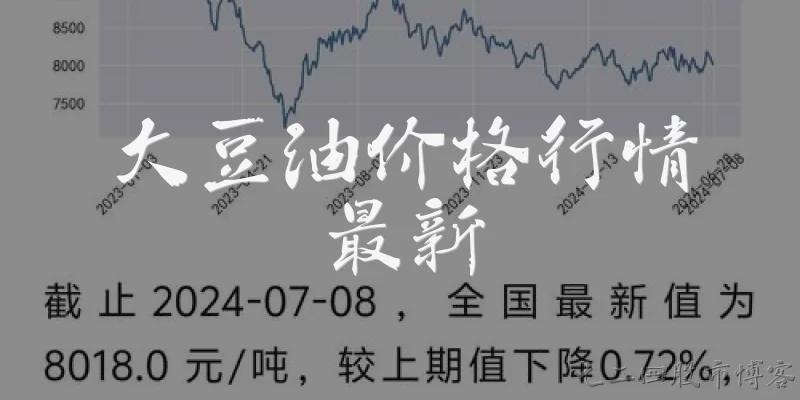
Latest soybean oil price trends:What have been the latest soybean oil price trends in 2025?
Q: What have been the latest soybean oil price trends in 2025?
A: As of mid-2025, soybean oil prices have shown a moderate upward trend after a volatile 2024. The Chicago Board of Trade (CBOT) soybean oil futures have risen from around 45 cents per pound in January to near 52 cents by June, driven by strong biofuel demand and tight global vegetable oil supplies. In contrast, prices in China's Dalian Commodity Exchange have gained about 8% year-to-date, supported by robust crushing margins and lower-than-expected South American exports. However, prices remain below the 2022 peak of over 70 cents due to improved palm oil production and stable soybean harvests in Brazil and the U.S. Analysts expect continued volatility as renewable diesel policies and weather patterns in the Midwest influence market sentiment.
Q: How do recent soybean oil price trends compare to palm oil and other vegetable oils?
A: Recent soybean oil price trends have diverged from palm oil and other vegetable oils. While soybean oil has climbed steadily in 2025, palm oil prices have been more volatile, falling in early 2025 due to higher Malaysian production but rebounding on Indonesian export levies. Sunflower oil has remained relatively stable, though Black Sea tensions keep supply uncertain. Canola oil has tracked soybean oil closely, with both supported by biofuel mandates in the U.S. and Europe. The spread between soybean oil and palm oil has narrowed to around $100 per metric ton, down from $200 in 2024, making soybean oil less competitive in food applications. Overall, the vegetable oil complex remains tightly linked, but soybean oil's biofuel-driven demand gives it a distinct upward bias compared to palm oil's food-led market.
Q: What key factors are driving the latest soybean oil price trends?
A: The latest soybean oil price trends are primarily driven by three factors: biofuel policy, supply dynamics, and currency movements. In the U.S., the Environmental Protection Agency's renewable fuel standard volumes for 2025-2026 have increased soybean oil demand for biodiesel and renewable diesel, pushing prices higher. On the supply side, lower soybean oil stocks in Argentina and a delayed harvest in Brazil have tightened global availability. Additionally, a weaker U.S. dollar has made dollar-denominated soybean oil more attractive to importers, supporting prices. Geopolitical risks, such as the Red Sea shipping disruptions, have also raised freight costs. Conversely, ample palm oil supplies from Malaysia and Indonesia have capped soybean oil's upside. These factors collectively create a bullish but fragile price environment for soybean oil in the near term.
Q: What are the forecasts for soybean oil prices in the coming months based on current trends?
A: Based on current trends, soybean oil prices are forecast to remain elevated but range-bound over the next three to six months. Analysts project CBOT soybean oil futures to trade between 50 and 56 cents per pound, with a potential spike to 60 cents if U.S. biofuel mandates are expanded or if a drought hits the Midwest. However, a bumper South American harvest in early 2026 could pressure prices down to the high 40s. In Asia, Dalian soybean oil futures may reach 8,500 yuan per metric ton if Chinese demand for cooking oil recovers. Key watchpoints include U.S. renewable diesel capacity additions, Indonesian palm oil export taxes, and crude oil prices, as soybean oil competes with petroleum diesel. Overall, the risk is skewed to the upside in the short term, but long-term gains depend on policy support and global economic growth.
Words of experience
Common scenarios of "Latest soybean oil price trends"
【Trader】 Morning, analyst. Soybean oil futures jumped overnight. What's driving the move?
【Analyst】 Good morning. CBOT soybean oil is up about 2.3% this morning, mainly on renewed biodiesel demand hopes after the EPA signaled stronger RFS volumes.
【Trader】 I saw that. Is the market also pricing in tighter South American supplies?
【Analyst】 Yes. Argentina's crush margins have weakened, and drought conditions in parts of Brazil are trimming yield estimates. That's adding a risk premium.
【Trader】 What about palm oil? Usually a big spillover effect.
【Analyst】 BMD palm is up 1.8% today. Indonesia's B40 mandate rollout and lower Malaysian stocks are supporting the whole vegetable oil complex.
【Trader】 So we're seeing a broad rally, not just soybean oil-specific?
【Analyst】 Correct. Soybean oil, palm, and canola are all higher. The entire edible oil index is up roughly 2% week-over-week.
【Trader】 Where do you see the next resistance on the continuous chart?
【Analyst】 Technically, 52 cents per pound is the key level. A close above that could open the door to 55 cents, last seen in early 2024.
【Trader】 And downside risk if the biodiesel news fades?
【Analyst】 Support sits around 47.5 cents. If EPA volumes disappoint or crude oil drops, we could retest that within two weeks.
【Trader】 What are the fundamentals saying about US ending stocks?
【Analyst】 USDA put soybean oil stocks at 1.6 billion pounds, tighter than last year. Any upward revision in crush demand would tighten it further.
【Trader】 How are exporters reacting? Any changes in Argentine FOB offers?
【Analyst】 Argentine FOB soybean oil premiums firmed by $15 per ton this week. Buyers in India and North Africa are covering shorts.
【Trader】 India's import duty situation—any update?
【Analyst】 No change yet, but there's talk of a review. If India cuts duties, that's another bullish catalyst for global prices.
【Trader】 What's the key event to watch this week?
【Analyst】 Friday's WASDE report. Traders will focus on any adjustment to soybean oil for biodiesel use and export projections.
【Trader】 Got it. So near-term bias is bullish, but watch the 52-cent resistance and Friday's report.
【Analyst】 Exactly. I'd stay long with a tight stop below 47.5. The trend is up, but volatility will stay high.