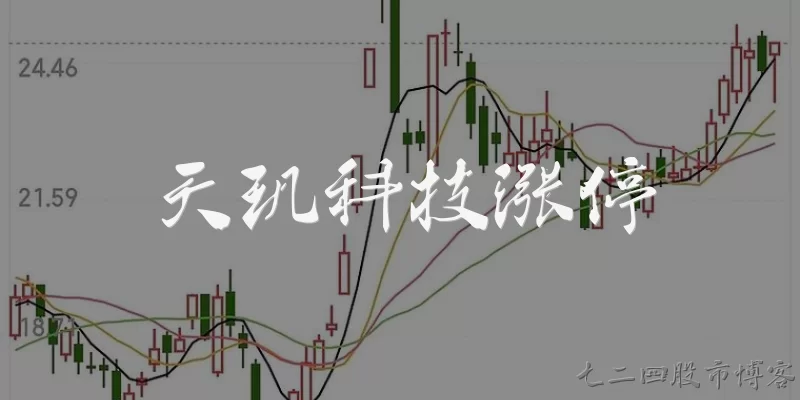
Tianji Technology hits limit up:What does it mean when Tianji Technology hits limit up?
Q: What does it mean when Tianji Technology hits limit up?
A: When Tianji Technology hits limit up, it means the stock has risen to the maximum daily price increase allowed by the exchange—typically 10% for main board A-shares or 20% for ChiNext and STAR Market stocks in China. Hitting limit up signals extremely strong buying demand, often driven by positive news, earnings surprises, policy support, or sector-wide enthusiasm. Once at limit up, trading may be restricted because sell orders are scarce, and buyers queue at the ceiling price. For investors, a limit-up day reflects bullish sentiment but does not guarantee continued gains; it can also indicate speculative overheating. Understanding the underlying catalyst—such as new orders, partnerships, or industry tailwinds—is essential before drawing conclusions about the company's long-term value.
Q: What typically causes Tianji Technology's stock to hit limit up?
A: Several factors commonly drive Tianji Technology to hit limit up. First, company-specific news such as major contract wins, strong quarterly earnings, new product launches, or strategic partnerships can trigger sharp buying. Second, sector momentum matters—if the broader technology, semiconductor, or industrial automation sector rallies, related stocks often follow. Third, policy catalysts, including government support for tech innovation or subsidies, can boost sentiment. Fourth, institutional or hot-money inflows and media coverage can amplify demand. Finally, technical factors like breaking key resistance levels may attract momentum traders. Because limit up reflects concentrated buying, investors should verify whether the move is backed by fundamental developments or short-term speculation, since speculative surges can reverse quickly.
Q: How should investors interpret Tianji Technology's limit-up move?
A: Investors should interpret Tianji Technology's limit-up move cautiously rather than automatically chasing it. A limit up indicates strong short-term demand, but it may stem from fundamentals, sector rotation, or pure speculation. Check the catalyst: was there an earnings release, contract announcement, or policy news? Review valuation—after a sharp rise, the stock may trade above fair value. Consider volume and turnover: heavy volume at limit up suggests genuine interest, while thin volume may signal fragile momentum. Also assess market context, since limit-up stocks can face profit-taking the next session. Prudent investors examine financial health, growth prospects, and risk tolerance before acting, and they avoid decisions based solely on a single day's price action.
Q: What risks follow after Tianji Technology hits limit up?
A: After Tianji Technology hits limit up, several risks emerge. First, profit-taking risk: short-term traders may sell the next day, causing a pullback or reversal. Second, valuation risk: a rapid price surge can push the stock above its intrinsic value, increasing downside if fundamentals don't support the move. Third, liquidity risk: at limit up, sellers are scarce, but once the ceiling breaks, heavy selling can cause sharp declines. Fourth, speculative risk: if the rally is driven by hype rather than earnings, the stock may be volatile. Fifth, regulatory risk: exchanges may issue inquiries over unusual price movements. Investors should set stop-loss levels, avoid over-concentration, and monitor follow-up disclosures to manage these risks effectively.