change foreign exchange:What does it mean to change foreign exchange and when do you need to do it?
Q: What does it mean to change foreign exchange and when do you need to do it?
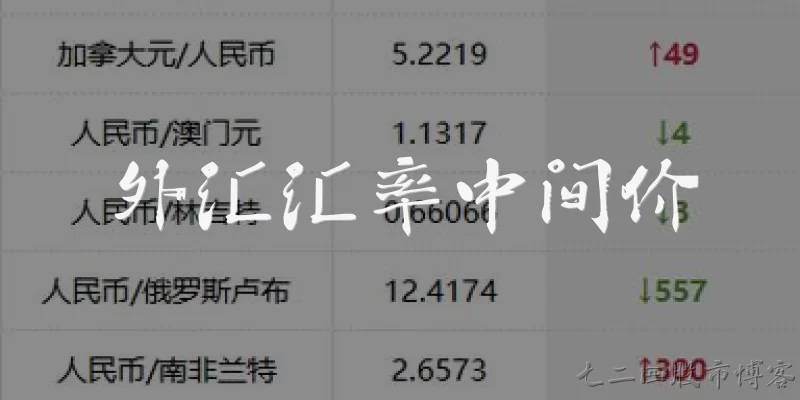
A: Changing foreign exchange means converting one currency into another, typically at a bank, currency exchange bureau, or through an online platform. You need to do it whenever you travel, send money abroad, shop with an international retailer, or invest in assets denominated in a foreign currency. For example, a US traveler heading to Europe will change US dollars into euros to cover hotels, meals, and local transport. Businesses also change foreign exchange regularly to pay overseas suppliers or repatriate profits. The rate you receive depends on the mid-market rate plus any markup or fee charged by the provider. Before you change foreign exchange, compare rates and fees across several providers, check whether the destination country prefers cash or card, and consider locking in a rate for larger transactions to reduce risk. Planning ahead usually means you get a better deal than rushing an exchange at an airport kiosk.
Q: What is the best way to change foreign exchange and get a good rate?
A: The best way to change foreign exchange is to compare providers, understand the total cost, and choose the method that matches your needs. Online currency exchange services and multi-currency accounts often offer rates close to the mid-market rate with low or no commission, while banks and airport kiosks tend to be more expensive. Start by checking the mid-market rate, which is the midpoint between buy and sell prices globally. Then look at the rate offered to you and any fixed or percentage fees. For cash, order ahead from a reputable bureau rather than exchanging at the last minute. For larger amounts, ask about rate alerts or forward contracts that let you lock in a rate for a future date. Always keep receipts and be aware of daily limits and identity checks. If you are changing foreign exchange frequently, a multi-currency account or prepaid travel card can save money by letting you hold and spend multiple currencies without repeated conversion fees.
Q: What fees and risks should you watch out for when you change foreign exchange?
A: When you change foreign exchange, the main costs are the exchange rate margin, fixed fees, and sometimes a commission or service charge. A provider might advertise zero commission but give you a poor rate, so always compare the final amount you receive. Other risks include volatility: if you wait to exchange, the rate can move against you. That matters most for large transfers, such as buying property abroad or paying tuition. You should also watch for hidden charges like card foreign transaction fees, ATM withdrawal fees, and dynamic currency conversion, where a merchant offers to charge you in your home currency at an unfavorable rate. To reduce risk, exchange smaller amounts regularly if you are unsure about timing, or use a forward contract to fix a rate for a future date. Keep records for tax purposes, especially if you exchange significant sums, and only use regulated providers that clearly disclose their rates and fees before you confirm the transaction.
Words of experience
Common scenarios of "change foreign exchange"
【Customer】 Hi, I'd like to exchange some foreign currency. Can you help me with that?
【Teller】 Of course! What currency do you have and how much would you like to exchange?
【Customer】 I have 500 US dollars and I want to exchange them for euros.
【Teller】 Sure. Let me check the current exchange rate. Today, the rate is 1 USD = 0.85 EUR. So 500 USD would be 425 EUR. Do you have your ID with you?
【Customer】 Yes, I have my passport. Here it is.
【Teller】 Thank you. I'll need to fill out a form with your details. Please wait a moment.
【Customer】 No problem. By the way, is there a commission fee?
【Teller】 Yes, we charge a flat fee of 5 EUR for transactions under 1000 EUR. So you'll receive 420 EUR after the fee.
【Customer】 That's fine. Can I get the euros in cash, please?
【Teller】 Absolutely. Would you like any specific denominations?
【Customer】 Could I get some 50s and some 20s? Maybe 200 in 50s and the rest in 20s.
【Teller】 Sure, that would be four 50s and eleven 20s. Let me count that for you.
【Customer】 Great, thank you.
【Teller】 Here you go: four 50s and eleven 20s, totaling 420 EUR. Please count it to make sure.
【Customer】 Looks correct. Thank you very much!
【Teller】 You're welcome. Is there anything else I can help you with?
【Customer】 No, that's all. Have a good day!
【Teller】 You too! Goodbye.
【Customer】 Goodbye.
【Teller】 Thank you for banking with us.